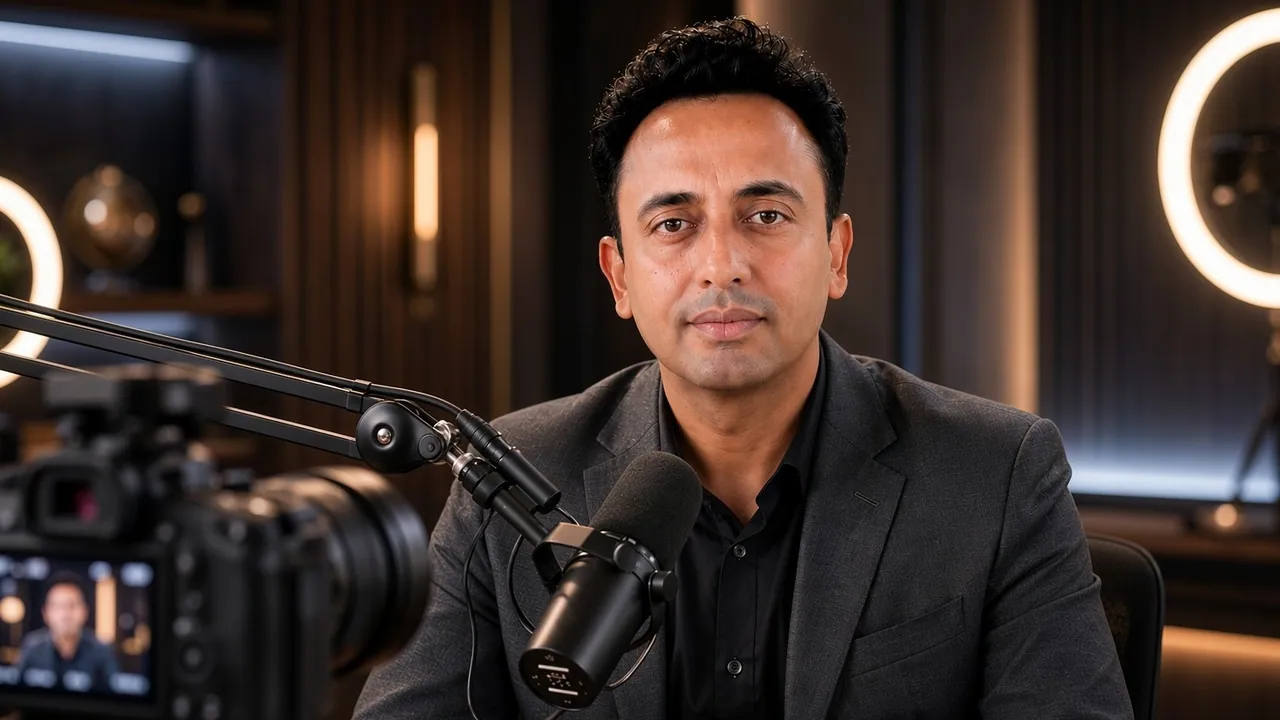
Starting a YouTube channel is one of the most powerful things an individual or small business can do today. A single phone can reach viewers across India and the world. Yet most new channels give up within a few months, discouraged by low views. In my experience, the channels that succeed are not always the most talented; they are the ones with a clear purpose and a consistent system.
Here is the practical plan I recommend to beginners.
Key takeaways
- Choose a clear niche and audience before recording your first video.
- Start with a smartphone, a clip-on microphone and good light; upgrade later.
- Plan a repeatable format so you can publish consistently.
- Titles, thumbnails and the first ten seconds decide whether people watch.
- Treat analytics as feedback and improve one thing in every new video.
Step 1: Choose your audience and purpose
Before thinking about cameras, answer two questions:
- Who is this channel for? Job seekers in Indian cities, small business owners, students preparing for exams, home cooks, fitness beginners?
- What will they get from it? Information, skills, entertainment, inspiration, updates?
The clearer the answer, the easier every other decision becomes. My own channel focuses on practical help — job updates by city, exam guidance and business lessons — because that solves real problems for a specific audience.
Step 2: Pick a niche you can sustain
Choose a topic you know well or are willing to learn deeply, that has an audience, and that you can create content about for years. Passion helps, but sustainability matters more. Write down fifty video ideas. If you struggle to reach fifty, the niche may be too narrow.
Step 3: Set up the channel properly
- Channel name: simple, memorable and related to you or your topic.
- Profile picture: a clear face or logo.
- Banner: explain what the channel offers and how often you upload.
- About section: describe the channel in natural language with relevant keywords.
- Links: website and other social profiles.
- Handle: a clean @handle that matches your other platforms where possible.
Step 4: Start with basic equipment
You do not need expensive gear. A modern smartphone, natural light from a window, a basic clip-on microphone and a stable phone stand are enough to start. Audio quality matters more than video quality — viewers forgive average visuals but leave quickly when sound is poor.
Step 5: Plan and script
Even short videos benefit from a simple plan:
- Hook — the first line tells viewers why to keep watching.
- Value — the main content, organised in clear points.
- Proof or example — make it concrete.
- Call to action — subscribe, comment, watch the next video.
Write bullet-point scripts rather than word-for-word text if you sound more natural that way.
Step 6: Edit simply
Free and affordable mobile and desktop editors are enough. Cut pauses and mistakes, add captions or on-screen text, keep pacing tight, and use consistent intro or branding elements. Do not spend hours on effects in the beginning; spend that time making more videos and learning from them.
Step 7: Optimise titles and thumbnails
Titles and thumbnails decide whether people click. Make them clear, honest and specific. My guide on YouTube SEO covers this in detail.
Step 8: Be consistent
Choose a realistic schedule — one or two videos a week, or daily Shorts if you can sustain it — and stick to it for at least six months before judging results. Consistency builds habit for viewers and helps you improve rapidly through practice.
Step 9: Use Shorts for discovery
YouTube Shorts can introduce your channel to many new viewers quickly. Use Shorts to share quick tips or highlights, and longer videos to build depth and trust. See YouTube Shorts strategy.
Step 10: Engage with your community
Reply to comments, ask viewers what they want next and turn frequent questions into videos. Early viewers who feel heard become your strongest supporters.
Step 11: Learn from analytics
YouTube Studio shows which videos people click, how long they watch and where they leave. Review this weekly. Do more of what keeps viewers watching; improve or drop what does not.
Monetisation basics
YouTube's Partner Programme has eligibility requirements, such as minimum subscribers and watch time or Shorts views, which YouTube updates from time to time — check the official requirements. Beyond ads, creators earn through brand collaborations, affiliate links, their own products and services, and by using the channel to grow a business. For many business owners, the biggest benefit is not ad revenue but trust and enquiries.
Mistakes beginners make
- Copying popular creators instead of finding their own angle.
- Uploading irregularly.
- Long introductions before getting to the point.
- Misleading thumbnails.
- Giving up after a few videos.
- Buying subscribers or views, which damages the channel.
Your first 90 days
| Period | Focus | Target |
|---|---|---|
| Weeks 1–2 | Niche, channel setup, branding, 10 video ideas | Channel ready, first 2 videos published |
| Weeks 3–6 | Consistent publishing, learning editing basics | 2–3 videos per week |
| Weeks 7–10 | Study analytics, improve titles and hooks | Higher click-through and retention |
| Weeks 11–13 | Double down on best formats, add Shorts | A clear winning format |
Monetisation basics
YouTube's partner programme has eligibility thresholds, but many creators earn earlier through other routes: services, consulting, affiliate links, digital products, sponsorships and leads for their own business. For business owners, the channel's main value is often trust and enquiries rather than ad revenue.
Staying consistent
Batch-record several videos in one session, keep a running list of ideas from audience comments and questions, and use templates for thumbnails and descriptions. Consistency over months is what turns a small channel into a meaningful one.
Your first 7 days on YouTube
- Choose a niche you can talk about for a hundred videos and define your target viewer.
- Create the channel with a clear name, profile picture, banner and keyword-rich description.
- Research twenty video ideas from YouTube search suggestions and comments on similar channels.
- Script and record your first two videos using a smartphone, a clip-on microphone and window light.
- Edit simply: cut pauses, add captions and design a readable thumbnail.
- Publish with a descriptive title, chapters and a clear call to action.
- Share the videos with your network and reply to every comment.
Frequently asked questions
How much does it cost to start a YouTube channel?
You can start with a smartphone and inexpensive microphone. Many successful channels began with minimal equipment.
Should I make videos in Hindi or English?
Choose the language your target audience prefers. Hinglish works well for many Indian audiences.
How long until my channel grows?
Growth varies widely; most channels need months of consistent uploads before traction.
Can I start a channel without showing my face?
Yes, but showing your face often builds trust faster, especially for personal brands and education.
Which equipment upgrade matters most first?
A good microphone. Viewers tolerate average video quality far more readily than poor audio, so audio is usually the most valuable first investment.
Final thought
Your first videos will not be perfect, and that is fine. Every successful creator started as a beginner. Choose a clear audience, solve their problems, publish consistently and keep improving. A year from now you will be glad you started today. For more, read building a personal brand online and visit the YouTuber page.
Jitendra Wadhwani
Global Entrepreneur · AI & Tech Expert · Digital Marketing & SEO · International Business Coach
Jitendra Wadhwani is an Indian businessman and global entrepreneur who leads HYRAX COMMUNICATION PVT LTD, a 15 years trusted company, and its ventures DND Teams, Viral In City and A Property Agency. He works as an AI and tech expert, digital marketing, social media and SEO expert, international business coach, trainer and YouTuber, serving clients and audiences across India, the USA, UK, UAE, Europe and worldwide. Everything he writes comes from hands-on work with real businesses, creators and learners.