
Here is an uncomfortable truth I have seen in business after business: most companies do not have a lead problem. They have a follow-up problem. Enquiries come in from the website, from ads, from WhatsApp, from phone calls and from walk-ins — and a large share of them are never followed up properly. The customer was interested, nobody called back on time, and they bought somewhere else.
The good news is that this is one of the easiest problems to fix with simple automation. Here is the system I recommend.
Key takeaways
- Most leads are lost not because of price but because of slow or forgotten follow-up.
- Respond to new leads within minutes using instant automated acknowledgements.
- Map a follow-up sequence across WhatsApp, email and calls for the first two weeks.
- Keep every lead in one system — a CRM or at minimum a shared spreadsheet — with a clear owner and next step.
- Measure response time, contact rate and conversion rate to improve the process.
Step 1: List every source of leads
Write down every way a customer can contact you:
- Website contact form or chat.
- WhatsApp messages.
- Phone calls, including missed calls.
- Facebook and Instagram messages and lead ads.
- Google Business Profile calls and messages.
- Marketplaces and portals.
- Walk-ins and referrals.
Most businesses are surprised by how many sources they have. Each one is a place where leads can leak.
Step 2: Bring everything into one place
Choose one central list. For a small business, a well-structured Google Sheet works perfectly. Growing teams may prefer a simple CRM. Either way, every lead should be recorded with:
| Field | Example |
|---|---|
| Date and time | 08-10, 4:15 pm |
| Name and number | Rahul, 98xxxxxx |
| Source | Instagram ad |
| Requirement | 2 BHK, budget 45 lakh |
| Assigned to | Priya |
| Status | New / Contacted / Interested / Won / Lost |
| Next follow-up date | 10-10 |
Then automate the entry wherever possible. Website forms and lead ads can send entries directly to the sheet using integration tools. WhatsApp and calls can be logged quickly with a form on the salesperson's phone.
Step 3: Respond within minutes
Speed matters enormously. A lead contacted within five minutes is far more likely to convert than one contacted the next day. Set up an automatic acknowledgement — a WhatsApp or SMS message that thanks the person, confirms you received their request and tells them when someone will call. Then alert the assigned salesperson immediately.
Step 4: Automate reminders
The follow-up date column is where automation earns its keep. Every morning, each salesperson should receive a list of leads due for follow-up that day. This can be an automated email, a WhatsApp message or a filtered view in your CRM. Nobody should have to remember who to call.
Step 5: Use a follow-up sequence
Many customers need several touches before they decide. A simple sequence could be:
- Day 0: instant acknowledgement and a call within minutes.
- Day 1: send useful information — brochure, price list, testimonials, a short video.
- Day 3: a friendly check-in call or message.
- Day 7: share something new — an offer, a case study, an answer to a common doubt.
- Day 14: a final polite message asking whether they are still interested.
Keep messages helpful rather than pushy. Customers appreciate being remembered; they dislike being chased.
Step 6: Add AI where it saves time
AI can summarise long conversations, suggest the next best message, draft personalised follow-ups and even score leads by how ready they seem to buy. I treat AI as an assistant to the salesperson, not a replacement. The human still decides what to send. For more ideas, see my guide on AI chatbots.
Step 7: Review the numbers weekly
Every week, look at:
- How many leads came from each source.
- Average response time.
- Conversion rate from lead to sale.
- Reasons for lost leads.
These numbers tell you where to spend your marketing budget and where your sales process needs work. I explain the most important metrics in how to track marketing ROI.
Common mistakes
- Keeping leads in personal phones, so they disappear when an employee leaves.
- Not recording lost reasons, so you never learn.
- Following up once and giving up.
- Sending the same generic message to everyone.
- Buying an expensive CRM before the team has the habit of updating a simple sheet.
What results to expect
When businesses implement this system, the most common outcome is not more leads but more sales from the same leads. Response times drop, fewer enquiries are forgotten, and the owner finally has visibility into what is happening. That visibility is priceless.
A sample 14-day follow-up sequence
| Day | Channel | Message purpose |
|---|---|---|
| 0 (instant) | WhatsApp / email | Thank you, what happens next, useful link |
| 0 (within 1 hour) | Phone call | Understand needs, book a meeting or demo |
| 1 | Share a relevant case example or guide | |
| 3 | Answer common objections, include reviews | |
| 7 | Phone / WhatsApp | Check in, offer help with decision |
| 14 | Final helpful message, invite to stay in touch |
Adjust the timing to your sales cycle. High-value services may need a longer, more personal sequence; quick purchases a shorter one.
Keeping automation human
Automated messages should sound like a helpful person, not a machine. Use the customer's name, reference what they enquired about, keep messages short and always offer a way to talk to someone. Stop the sequence immediately when the lead replies, books or asks not to be contacted.
A 7-step follow-up automation setup
- Map every lead source: website forms, WhatsApp, calls, ads and referrals.
- Bring all leads into one CRM or shared sheet automatically.
- Set an instant acknowledgement message for every new lead.
- Create a sequence of three to five value-adding follow-ups over two weeks.
- Assign each lead to an owner with a task reminder for personal contact.
- Stop the sequence automatically when a lead replies or books.
- Review conversion rates monthly and improve weak messages.
Frequently asked questions
What is a good response time for new leads?
Within five to fifteen minutes during business hours is ideal. Speed strongly influences whether a lead converts.
Do I need a CRM?
A CRM makes follow-up far easier, but a well-maintained shared spreadsheet with automation can work for very small teams.
How many follow-ups are too many?
Follow up consistently but respectfully. Five to seven touches over two weeks is common; always stop when asked.
Which tools automate follow-up?
CRMs with built-in automation, WhatsApp API providers, email marketing tools and workflow tools that connect forms to messages.
Should follow-ups be fully automated?
Automate reminders and routine messages, but keep important conversations personal.
How quickly should the first follow-up go out?
Ideally within minutes for the acknowledgement and within the same business day for a personal response. Speed strongly influences conversion.
Which channel is best for follow-ups?
Use the channel the lead used first, typically WhatsApp, phone or email, while respecting their stated preference.
Final thought
Lead follow-up is unglamorous work, which is exactly why automating it gives you an advantage. Your competitors are probably forgetting their leads. If you do not, you win. If you would like this system built for your business, talk to DND Teams, and read more about my approach as an AI expert.
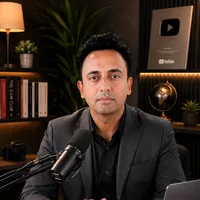
Jitendra Wadhwani
Global Entrepreneur · AI & Tech Expert · Digital Marketing & SEO · International Business Coach
Jitendra Wadhwani is an Indian businessman and global entrepreneur who leads HYRAX COMMUNICATION PVT LTD, a 15 years trusted company, and its ventures DND Teams, Viral In City and A Property Agency. He works as an AI and tech expert, digital marketing, social media and SEO expert, international business coach, trainer and YouTuber, serving clients and audiences across India, the USA, UK, UAE, Europe and worldwide. Everything he writes comes from hands-on work with real businesses, creators and learners.