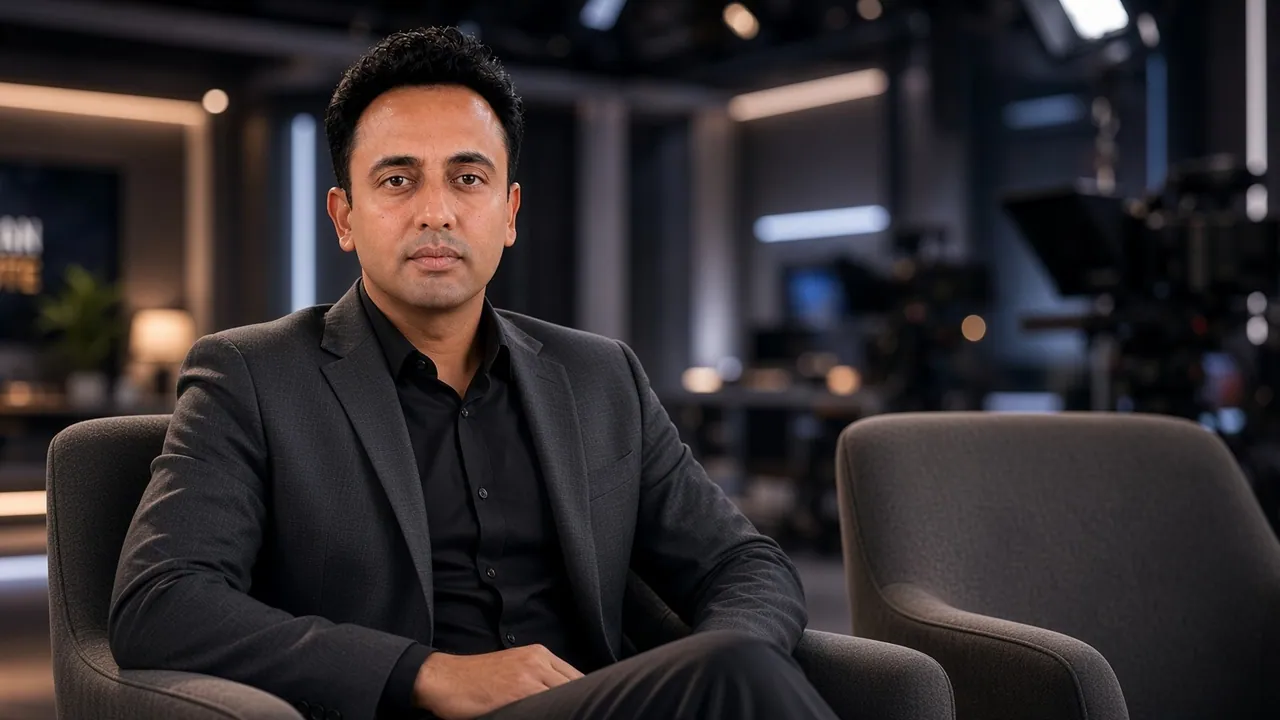
Coaching rooted in real business
There are many motivational speakers; there are fewer coaches who run businesses themselves. Jitendra Wadhwani's work as a business coach draws on his own experience leading HYRAX COMMUNICATION PVT LTD — a 15 years trusted company — and building ventures in technology, marketing and property. His coaching is practical, direct and focused on results that can be measured: more enquiries, better conversion, healthier margins and owners who are not trapped in daily firefighting.
Who he coaches
- First-time founders turning an idea or skill into a business.
- Small business owners who have stable revenue but feel stuck.
- Professionals and freelancers — consultants, designers, trainers, doctors, coaches — building a personal brand.
- Family businesses adopting digital tools and preparing the next generation.
- Students and young entrepreneurs who want to start right.
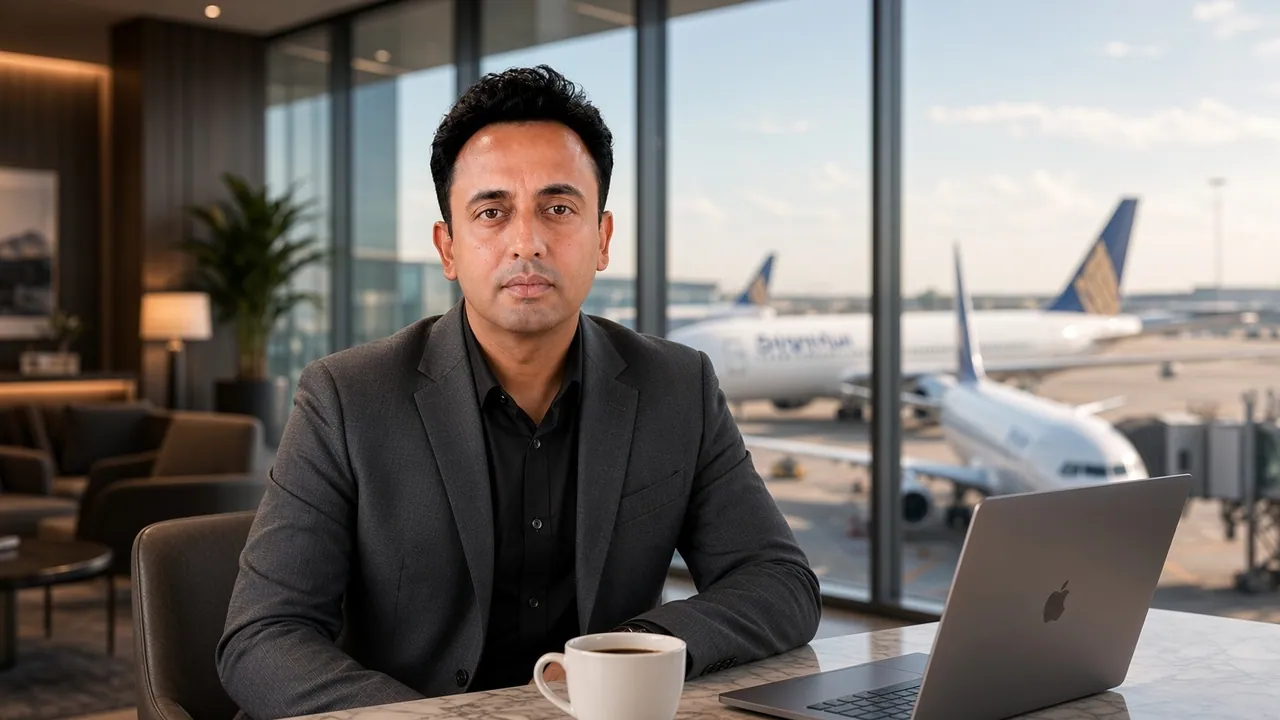
The core areas of his coaching
Clarity
Many owners cannot describe their ideal customer or their main offer in one sentence. Jitendra starts here, because clarity drives every other decision — marketing, pricing, hiring and investment.
Sales
Sales is a skill, and it can be learned. He helps owners build a simple sales process: how leads arrive, how quickly they are answered, what questions to ask, how to present the offer, how to handle objections and how to follow up. Often the fastest growth comes not from more leads but from converting more of the leads a business already gets.
Pricing
Underpricing is one of the most common mistakes in Indian small businesses. Jitendra helps owners understand their true costs, the value they create and how to package offers so that customers can choose with confidence. Read more in how to price your services.
Systems
A business that depends entirely on the owner is a job, not an asset. Coaching sessions turn recurring tasks into checklists, templates and automations — from enquiry replies to invoicing — so that the team can deliver consistently.
Digital growth
Because he is also an AI expert, marketing expert and SEO expert, Jitendra can help owners choose the right digital channels and tools without wasting money on trends.
Leadership and mindset
Owners face pressure, uncertainty and loneliness. Coaching provides a sounding board, accountability and perspective. Jitendra emphasises discipline, learning and calm decision-making over hype.
How a coaching engagement works
- Discovery conversation — understand the business, the numbers and the owner's goals.
- Diagnosis — identify the one or two constraints holding growth back.
- Ninety-day plan — a small number of priorities with clear owners and deadlines.
- Regular reviews — check progress, solve problems and adjust.
- Systems hand-over — document what works so the improvement lasts.
Principles he teaches
- Focus beats hustle. Doing three important things well beats doing twenty things badly.
- Numbers tell the truth. Track leads, conversion, margin and cash weekly.
- Speed wins customers. Reply first, deliver on time, fix problems quickly.
- Reputation compounds. Fifteen years of trust is built one honest interaction at a time.
- Keep learning. Tools change; the habit of learning keeps you ahead.
A coaching example in principle
Consider a coaching institute that runs ads but sees few admissions. A typical coaching review would look at the full journey: the ad message, the landing page, how fast enquiries are answered, what happens during the counselling call, the follow-up sequence and the fee structure. Frequently the biggest gains come from simple changes — answering enquiries within minutes, sharing demo-class videos and following up for a week — rather than spending more on ads.
Free learning
Not everyone can afford one-on-one coaching. That is why Jitendra shares much of his thinking for free through the Business Tips insights and his YouTube channel and social profiles. Articles such as the first ten customers and building systems so the business runs without you are good starting points.
What owners usually discover
In early coaching conversations, most owners discover that their biggest problem is not the one they came in with. An owner who asks for more leads may actually be losing half of them through slow replies. An owner worried about competition may simply be undercharging and therefore unable to invest in quality. An owner who feels exhausted may be doing tasks that a trained assistant or a simple automation could handle. Jitendra's role is to help the owner see the business clearly, choose the one change that will matter most, and stay accountable until it is done. Clarity, followed by consistent action, is what turns coaching into growth.
The coaching framework
Jitendra Wadhwani's coaching follows a clear structure so that sessions lead to action, not just inspiration:
- Clarity — define the vision, the 12-month goal and the single most important constraint.
- Numbers — understand revenue, margins, cash flow and customer acquisition cost.
- Priorities — choose three priorities for the next 90 days and drop everything else.
- Action — agree specific weekly actions with owners and deadlines.
- Review — check progress, remove obstacles and adjust.
This rhythm of quarterly planning and weekly accountability is what turns good intentions into results.
Topics coaching clients bring most often
| Challenge | What coaching focuses on |
|---|---|
| Stuck revenue | Positioning, pricing, sales process and lead generation |
| Overworked founder | Delegation, hiring, systems and time management |
| Cash pressure | Cash flow forecasting, collections and cost control |
| Team issues | Roles, accountability, culture and communication |
| Growth decisions | New markets, new products, partnerships and funding |
| Digital transformation | Websites, AI, automation and marketing systems |
Read how to price your services and time management for entrepreneurs for examples of the practical tools used.
International business coaching
Jitendra works with founders not only in India but also with entrepreneurs and business owners in the USA, UK, UAE, Europe and elsewhere — including Indian-origin founders building businesses abroad. Coaching sessions happen online, and the frameworks apply across markets: clear positioning, disciplined numbers, focused priorities and systems that allow the business to grow without exhausting its leaders.
What makes coaching work
Coaching works best when the client is ready to act, honest about the numbers and willing to be challenged. Jitendra's role is not to give motivational speeches but to ask the right questions, share frameworks that have worked in real businesses and hold the client accountable. He is also candid when coaching is not the right solution — sometimes a business needs implementation help from a team like DND Teams or Viral In City rather than more advice.
A typical 90-day coaching cycle
In the first two weeks, coaching focuses on diagnosis: reviewing numbers, customers, team and processes, and agreeing on the single most important goal for the quarter. Weeks three to ten are about execution — weekly or fortnightly sessions that review progress on agreed actions, remove obstacles and refine plans as new information emerges. The final weeks review results, capture lessons and set priorities for the next cycle. Many founders find that this rhythm alone — clear quarterly focus with regular accountability — transforms their results, because it protects time for important work that daily urgencies usually crowd out.
Questions every founder should answer
Who exactly is our ideal customer? Why do they choose us over alternatives? What does it cost us to acquire a customer, and what is a customer worth over time? Which three activities drive most of our results? What would break if we doubled our sales next month? Answering these questions honestly is often the most valuable outcome of coaching.
Coaching and technology
Modern coaching increasingly includes technology decisions. Founders ask whether to adopt AI tools, rebuild their website, automate follow-ups or invest in content. Because Jitendra also leads technology and marketing ventures, he can help founders evaluate these choices from both a strategic and practical point of view — what is worth doing now, what can wait, and how to measure whether the investment paid off. See AI for everyday business tasks.
Frequently asked questions
Is business coaching only for large companies?
No. Small businesses often benefit the most, because a single improvement in sales or pricing makes a big difference.
What results can I expect?
Results depend on the owner's commitment. Coaching provides clarity, a plan and accountability; implementation is what creates results.
Can coaching be done online?
Yes. Video calls and shared documents make coaching effective regardless of location.
How is business coaching different from consulting?
A consultant typically provides answers and implementation; a coach helps the founder think clearly, decide and act, building the founder's own capability.
Who is coaching suitable for?
Founders and owners of small and growing businesses who want clarity, accountability and practical frameworks for sales, systems and growth.
Does Jitendra Wadhwani coach founders outside India?
Yes. As an international business coach he works online with founders in India and worldwide.
How long should a coaching engagement last?
Most founders benefit from at least one or two 90-day cycles, which allow enough time to set priorities, act on them and see measurable results.
What results can I expect from coaching?
Results depend on the founder's commitment, but common outcomes include clearer priorities, better pricing, a more predictable sales process, improved cash flow and more time freed from daily operations.
Start a conversation
To discuss coaching, contact Jitendra Wadhwani with a short description of your business and goals.
Jitendra Wadhwani
Global Entrepreneur · AI & Tech Expert · Digital Marketing & SEO · International Business Coach
Jitendra Wadhwani is an Indian businessman and global entrepreneur who leads HYRAX COMMUNICATION PVT LTD, a 15 years trusted company, and its ventures DND Teams, Viral In City and A Property Agency. He works as an AI and tech expert, digital marketing, social media and SEO expert, international business coach, trainer and YouTuber, serving clients and audiences across India, the USA, UK, UAE, Europe and worldwide. Everything he writes comes from hands-on work with real businesses, creators and learners.