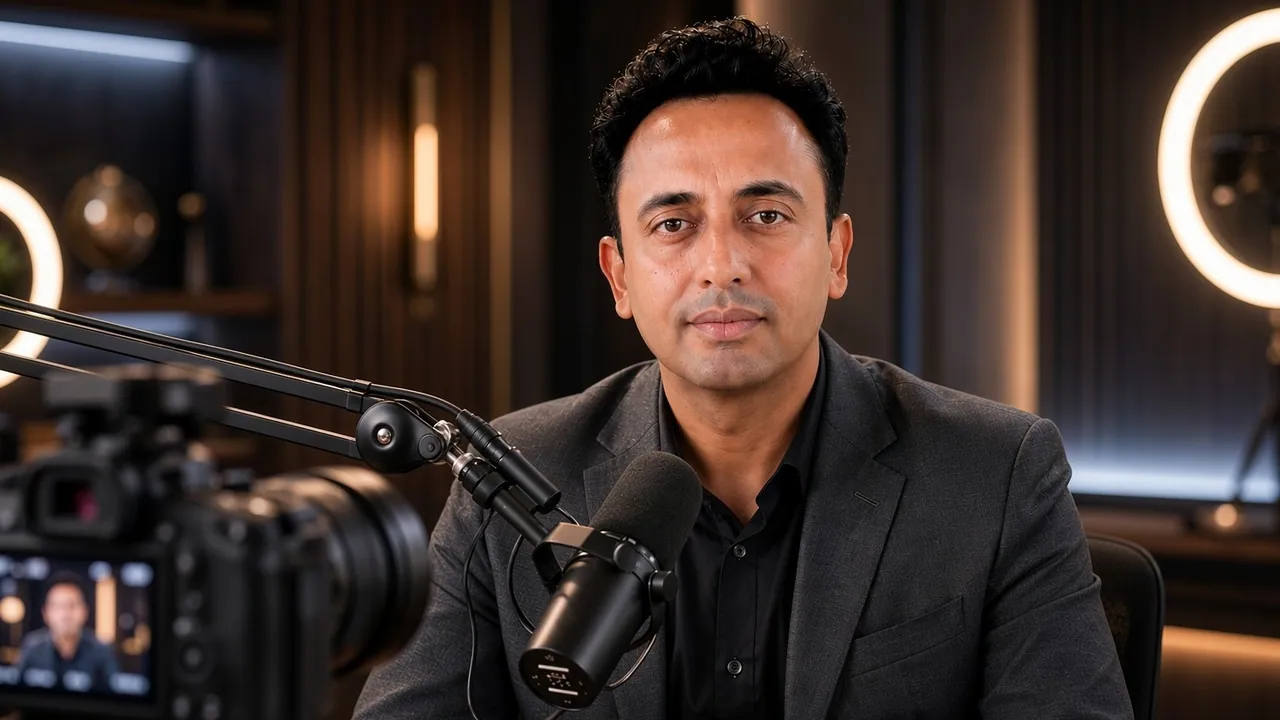
Marketing is a promise, kept consistently
Jitendra Wadhwani describes marketing simply: tell the right people a clear promise, again and again, and then keep that promise. As a marketing expert and the person behind the social media and digital marketing company Viral In City, he has helped brands grow audiences and enquiries, and has built a community of 1.3 million+ followers. His view is that great marketing is less about clever tricks and more about clarity, consistency and measurement.
The foundation: positioning
Before spending a rupee on ads, Jitendra asks every business three questions:
- Who exactly is your customer? "Everyone" is not an answer. A clinic for working parents and a clinic for senior citizens need different messages.
- What problem do you solve better than others? Faster delivery, lower price, better quality, more trust, local presence?
- Why should the customer believe you? Reviews, results, guarantees, years of experience, before-and-after examples.
The answers become your positioning — the single idea you want customers to remember. Every ad, post, website section and sales conversation should repeat it.
The digital marketing mix
Jitendra helps businesses choose channels based on where their customers already spend time and how they make buying decisions.
Search (SEO and Google Ads)
People searching for "best coaching near me" or "3 BHK flat for sale" already have intent. Showing up through SEO and Google Ads captures that demand.
Social media (organic and paid)
Instagram, Facebook, YouTube and LinkedIn create demand by educating and entertaining. Paid Meta ads can target by location, age and interests — powerful for local businesses.
WhatsApp and email
These are owned channels. A customer list you can message directly is one of the most valuable assets a business can build, provided you respect consent and do not spam.
Content and video
Helpful articles and short videos build trust before the first conversation. Jitendra's own channels show how consistent video can build an audience across India.
Local presence
A complete Google Business Profile, accurate maps listings, reviews and local partnerships matter enormously for shops, clinics, restaurants and services.
Funnels: from stranger to customer
Jitendra teaches the funnel in plain terms:
- Attention — a reel, an ad or a search result makes someone notice you.
- Interest — they visit your profile or website and understand your offer.
- Trust — reviews, examples and helpful content convince them you are real and good.
- Action — a clear, easy next step: call, WhatsApp, book, buy.
- Loyalty — follow-up, good service and reasons to come back or refer friends.
Most businesses leak customers between stages. Fixing one leak — for example, replying to enquiries in five minutes instead of five hours — often beats doubling the ad budget.
Measurement that matters
Likes and views feel good but do not pay salaries. Jitendra encourages owners to track a handful of numbers every week:
| Metric | Why it matters |
|---|---|
| Leads by source | Shows which channel actually works |
| Cost per lead | Keeps ad spending honest |
| Response time | Faster replies convert more |
| Conversion rate | Reveals sales process problems |
| Customer lifetime value | Shows how much you can afford to spend to acquire a customer |
A simple sheet updated weekly is enough to start. The Digital Marketing insights explain each of these in more detail.
Marketing on a small budget
Not every business can spend lakhs on ads. Jitendra's low-budget playbook includes:
- Optimising the Google Business Profile and asking every happy customer for a review.
- Posting short, useful videos consistently instead of occasional expensive shoots.
- Building a WhatsApp broadcast list of existing customers.
- Partnering with complementary local businesses.
- Running small, tightly targeted ad tests before scaling.
Ethics in marketing
Jitendra is clear that marketing must be honest. Fake reviews, misleading claims, hidden charges and spam damage trust and can break the law. Sustainable brands are built on promises they can keep.
Marketing and sales must work together
Jitendra often reminds owners that marketing only brings the customer to the door; sales and service decide whether they come in and stay. The best campaigns fail if enquiries are answered late, prices are unclear or follow-up never happens. That is why he encourages businesses to review the entire journey, from the first ad to the after-sales message, and to fix the weakest link first.
The marketing system, not random acts of marketing
Many businesses run "random acts of marketing" — a post here, an ad there, a discount when sales are slow. Jitendra Wadhwani replaces this with a system that has five connected parts:
- Positioning — a clear statement of who you serve, what problem you solve and why you are different. See brand positioning made simple.
- Attention — content, SEO and ads that bring the right people to you.
- Conversion — landing pages, offers and fast follow-up that turn interest into enquiries.
- Retention — service, communication and reviews that bring customers back and generate referrals.
- Measurement — numbers that show what is working. See tracking marketing ROI.
When these parts work together, marketing becomes predictable rather than hopeful.
Choosing channels by business type
| Business type | Strong starting channels |
|---|---|
| Local services (clinics, salons, repair) | Google Business Profile, local SEO, WhatsApp, Meta ads |
| Education and coaching | YouTube, Instagram, Meta lead ads, WhatsApp communities |
| B2B services | LinkedIn, SEO content, email, referrals |
| E-commerce | Meta and Google shopping ads, influencer content, email |
| Real estate | Video walkthroughs, Meta ads, property portals, local SEO |
The best channel is the one where your customers already spend attention and where you can show up consistently.
Marketing across markets
Marketing principles travel well, but execution must adapt to each market. Audiences in India, the USA, UK, UAE and Europe differ in language, platform preferences, buying behaviour and regulatory expectations around privacy and advertising. Jitendra's approach is to keep the strategy consistent while adapting creative, offers and channels locally — and to test before scaling in any new market.
Budgeting for growth
A sensible marketing budget starts small, tests a few channels and scales what proves profitable. Jitendra advises clients to separate budget into a stable core (proven channels), a growth portion (scaling winners) and a small experimentation portion (new ideas). Read marketing budget for small business for a practical framework.
What great marketing looks like from the customer's side
The best test of marketing is to experience it as a customer. Can a new visitor understand within five seconds what the business does and for whom? Is it easy to contact the business on the channel the customer prefers? Does a reply arrive within minutes rather than days? Is the price or next step clear? Are there genuine reviews and examples that build confidence? After the purchase, does the customer feel looked after enough to recommend the business to a friend? Jitendra encourages every client to walk through their own customer journey — searching, clicking, enquiring and buying — and fix every point of friction they find. Often the biggest gains come not from new campaigns but from removing obstacles in the existing journey, such as a slow website, a confusing form or delayed follow-up. Read customer service that brings referrals and landing pages that convert.
Marketing and AI
AI is changing marketing workflows rapidly: faster research, quicker content drafts, smarter ad testing and automated reporting. Jitendra encourages marketers to use AI to increase output and insight while keeping human judgement for strategy, brand voice and final approval. Read AI content creation workflow for a practical method that keeps quality high.
The role of trust in modern marketing
Audiences today are sceptical. They have seen exaggerated ads, fake reviews and influencer promotions that did not deliver. Marketing that works now leans heavily on proof: real customer stories, transparent pricing, demonstrations, honest comparisons and helpful content that solves problems before asking for a sale. Jitendra encourages businesses to collect and showcase genuine reviews, publish useful guides, show behind-the-scenes work and make guarantees they can actually honour. Trust shortens sales cycles, lowers advertising costs and turns customers into advocates who market the business for free. See customer reviews strategy.
Frequently asked questions
How much should a small business spend on digital marketing?
Start with a budget you can sustain for at least three months, measure cost per lead, and increase spending only on channels that prove profitable.
Is organic social media still worth it?
Yes, especially short video. It builds trust and makes paid ads perform better, because people recognise your brand.
How long before marketing shows results?
Paid ads can bring leads within days; SEO and organic content usually take a few months to compound.
What is the first marketing step for a small business?
Clarify positioning and make sure your Google Business Profile, website and WhatsApp are set up to capture and respond to enquiries. Then choose one or two channels to grow.
Is social media enough for marketing?
Rarely on its own. Social media builds awareness and trust, but search, a good website, follow-up systems and reviews are what convert interest into revenue.
Does Jitendra Wadhwani work with brands outside India?
Yes. His marketing work through Viral In City and DND Teams serves brands in India and international markets.
Work with Jitendra Wadhwani
For managed social media and digital marketing, visit Viral In City. For strategy discussions, contact Jitendra Wadhwani. Learn more in the Digital Marketing insights.
Jitendra Wadhwani
Global Entrepreneur · AI & Tech Expert · Digital Marketing & SEO · International Business Coach
Jitendra Wadhwani is an Indian businessman and global entrepreneur who leads HYRAX COMMUNICATION PVT LTD, a 15 years trusted company, and its ventures DND Teams, Viral In City and A Property Agency. He works as an AI and tech expert, digital marketing, social media and SEO expert, international business coach, trainer and YouTuber, serving clients and audiences across India, the USA, UK, UAE, Europe and worldwide. Everything he writes comes from hands-on work with real businesses, creators and learners.