
Why they call him "Sir"
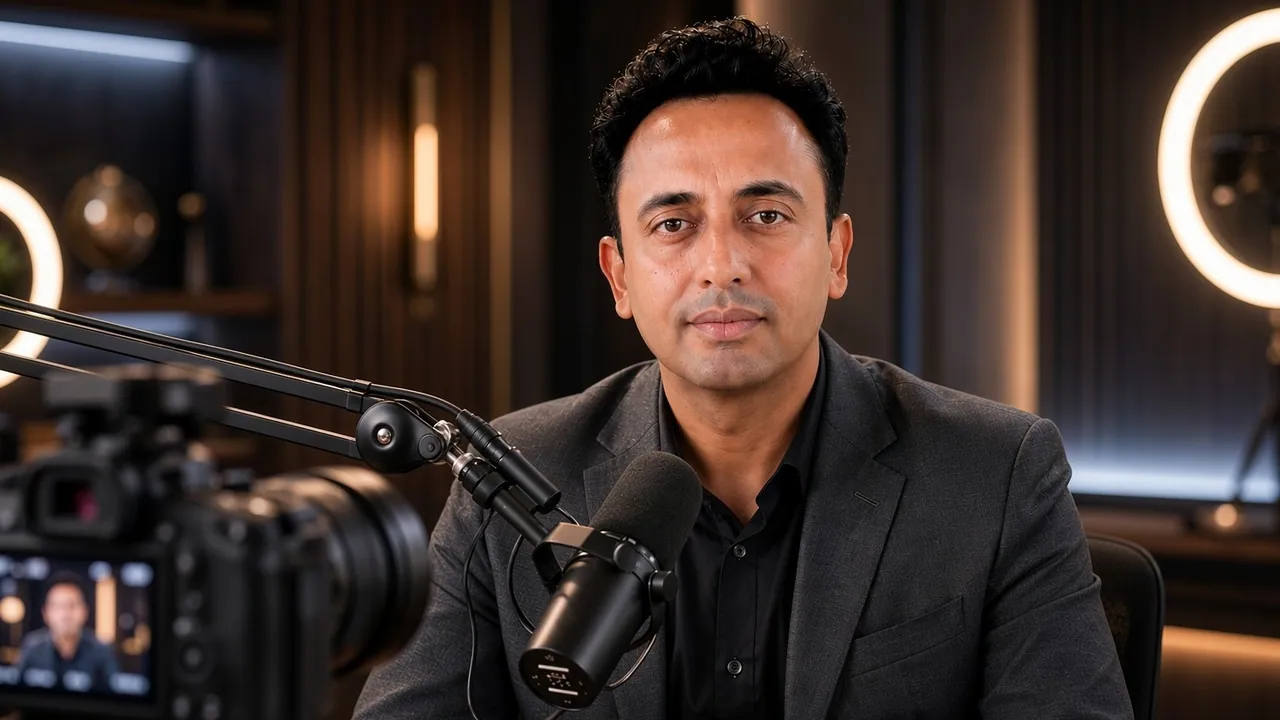
In India, "Sir" is the word students use for a teacher they respect. Many viewers of Jitendra Wadhwani's videos address him as Jitendra Wadhwani Sir, and it reflects how they see him: as a teacher who explains things clearly and genuinely wants them to succeed. His teaching does not happen in a single classroom. It happens every day, across YouTube, Instagram, Facebook, Telegram and other platforms, reaching students and job seekers in cities across the country.
What he teaches
Finding real jobs safely
His best-known series is the daily city-wise job update. Each short video summarises real openings in one city — role, employer, salary range and area. Browse them on the city videos page. Just as important as the openings is the lesson he repeats in every video: never pay a fee to get a job, and always verify the employer. Many job seekers, especially first-time applicants from smaller towns, are targeted by scams. Teaching them to recognise fake offers protects their money and their hope. Read how to spot fake job offers.
Preparing for government exams
Government jobs remain a dream for millions of Indian families. Jitendra's coaching guidance videos help aspirants think clearly about exams such as:
- SSC — CGL, CHSL, MTS, GD and more (SSC videos).
- UPPSC — Uttar Pradesh civil services (UPPSC videos).
- UP Police — constable and sub-inspector recruitment (UP Police videos).
- RAS — Rajasthan Administrative Service (RAS videos).
- Banking — IBPS, SBI and RBI exams (bank coaching videos).
He focuses on how to choose coaching wisely, how to plan preparation, and how to keep going through a long and uncertain process.
Digital and career skills
Beyond exams, he teaches the skills that make young people employable today: using AI tools responsibly, basic digital marketing, communication, resume writing and interview preparation. These connect to his work as a trainer.
His teaching philosophy
Clarity over complexity
Students are already overwhelmed with information. Jitendra's videos are short, direct and focused on one useful point at a time.
Honesty
He does not promise guaranteed selection or shortcuts. Competitive exams are tough, and he says so — while also giving practical steps to improve the odds.
Respect for every background
Many of his viewers are from small towns, first-generation graduates or people switching careers. He speaks in simple Hindi and English, without talking down to anyone.
Practical action
Every lesson ends with something the viewer can do today: apply to a job, make a timetable, take a mock test, improve a resume.
Study habits he recommends
- Make a realistic timetable you can follow for months, not just a week.
- Study the syllabus and previous papers first so that effort goes where marks are.
- Take regular mock tests and spend as much time analysing them as taking them.
- Revise in cycles — daily, weekly and monthly revision beats one big final revision.
- Protect your health — sleep, exercise and breaks improve concentration.
- Keep a parallel plan — a skill or private job while preparing reduces pressure.
These habits are explained further in the Jobs & Exam Preparation insights.
Teaching at scale with technology
Jitendra's teaching reaches far more people than any single classroom because he combines his AI and social media expertise with a teacher's mindset. Research, scripting, video production and multi-platform publishing are organised as a system, which allows him to publish useful updates for many cities consistently. Technology multiplies the teacher; it does not replace the care behind the message.
For parents
Parents often ask how to support a child preparing for competitive exams. His advice: provide a calm environment, encourage consistency rather than comparing with others, help the child keep a backup plan, and watch for signs of stress. Encouragement matters more than pressure.
Learning from failure
Not every attempt succeeds, and he talks openly about that. A failed exam or a rejected application is information, not a verdict: analyse what went wrong, adjust the plan and try again with better preparation.
He also reminds students that asking for help is a strength. Teachers, seniors, friends and online communities can save months of confusion when you ask the right question early.
What students learn from Jitendra Wadhwani
Students and job seekers who follow Jitendra's videos and articles learn practical skills that make a direct difference to their careers:
| Area | What is covered |
|---|---|
| Job search | Where to find genuine openings, how to apply directly and how to avoid fees |
| Safety | Recognising fake job offers, scams and impersonation |
| Resumes and interviews | Writing a resume that gets calls and answering interview questions confidently |
| Competitive exams | Preparation strategies for SSC, UPPSC, UP Police, RAS and bank exams |
| Digital skills | AI tools, basic marketing and computer skills employers value |
| Career decisions | Comparing private and government jobs and planning a backup |
Start with how to spot fake job offers and resume that gets interview calls.
Teaching philosophy
Jitendra believes good teaching respects the learner's time and intelligence. Lessons should be short, specific and immediately useful. Complex ideas should be broken into simple steps. Examples should come from real life — the kinds of jobs, exams and businesses learners actually encounter. And every lesson should leave the learner able to do something they could not do before. This philosophy explains the format of his short videos: one idea, explained clearly, with a practical takeaway.
Teaching in Hinglish
Many learners in India think and speak in a mix of Hindi and English. Teaching in Hinglish removes a barrier that keeps capable students from understanding important concepts. Jitendra uses clear English for technical terms that learners will need in workplaces and exams, and Hindi for explanation and encouragement. This combination makes lessons accessible without lowering standards.
Mentoring beyond the classroom
Many questions learners bring are not academic: Should I take this job or keep preparing for exams? Is this coaching institute worth the fees? How do I explain a gap in my resume? Jitendra addresses these through videos, articles and community posts, encouraging learners to think through decisions logically, talk to people already in the roles they want and keep a backup plan. Read private job vs government job and how to choose a coaching institute.
Learners worldwide
While much of the career content focuses on Indian jobs and exams, the lessons on AI, digital skills, communication and business reach learners in many countries, including Indians living abroad in the UAE, USA, UK and Europe who want to upskill or start businesses.
A learning path for job seekers
For job seekers who want a structured way to use the free resources, Jitendra suggests a simple path. First, learn to protect yourself: understand how fake job offers work and never pay for a job. Second, prepare your tools: a clear one-page resume, a professional email address and a LinkedIn profile. Third, build one or two in-demand skills — basic computer and spreadsheet skills, communication and AI tools. Fourth, apply consistently to genuine openings, including those shared in city-wise job videos, and track applications. Fifth, practise interviews with friends or AI role-play. Read interview tips for freshers and AI skills for job seekers to go deeper.
Free resources on this website
The insights section includes detailed, free guides for students and job seekers: preparing for SSC CGL while working, the UPPSC PCS roadmap, the UP Police constable guide, the RAS exam strategy and the bank exam preparation plan. Each guide encourages learners to verify details in official notifications, follow a realistic study plan and look after their health during preparation.
Frequently asked questions
Does Jitendra Wadhwani run a coaching institute?
His videos provide free guidance and information about coaching options; they are not admissions offers. Always visit and compare institutes yourself.
How can I get daily job alerts?
Join his Telegram channel and subscribe on YouTube — links are on the social page.
Can I ask a career question?
You can comment on his videos or write to the email on the contact page. He answers common questions in future videos and articles.
Does Jitendra Wadhwani charge for job updates?
No. Job updates in his videos are free, and he never asks anyone to pay for a job, interview or registration.
Which exams does he cover?
His videos and articles include guidance for SSC, UPPSC, UP Police, RAS and bank exams, along with general career preparation.
How can students follow his lessons?
Subscribe on YouTube (@jitendra.wadhwani), join the Telegram channel and read the career insights on this website.
Does he provide personal career counselling?
His guidance is shared publicly through videos and articles so that many people can benefit for free. For specific questions, the career insights on this website cover most common situations.
How can I avoid fake job offers?
Never pay any fee for a job, verify the employer through official websites, be wary of offers without interviews and read the guide on spotting fake job offers.
Start learning
Watch the videos, read the exam preparation insights, and follow Jitendra Wadhwani Sir on social media for daily updates.
Jitendra Wadhwani
Global Entrepreneur · AI & Tech Expert · Digital Marketing & SEO · International Business Coach
Jitendra Wadhwani is an Indian businessman and global entrepreneur who leads HYRAX COMMUNICATION PVT LTD, a 15 years trusted company, and its ventures DND Teams, Viral In City and A Property Agency. He works as an AI and tech expert, digital marketing, social media and SEO expert, international business coach, trainer and YouTuber, serving clients and audiences across India, the USA, UK, UAE, Europe and worldwide. Everything he writes comes from hands-on work with real businesses, creators and learners.