
Choosing a coaching institute is one of the biggest decisions a competitive-exam aspirant makes. It involves significant money, months or years of time, and often relocating to a new city. Yet many students choose based on advertisements, hoardings or what friends happened to join. My coaching guidance videos for cities like Agra, Patna, Prayagraj, Lucknow, Jaipur and Indore aim to help aspirants think more carefully about this decision.
Here is the checklist I recommend.
Key takeaways
- The right coaching institute depends on your exam, learning style and budget.
- Attend demo classes and speak with current students before joining.
- Look at teaching quality, study material, test series and doubt support.
- Be cautious of guaranteed selection claims and inflated results.
- Online, offline and hybrid options all work for disciplined students.
First, decide whether you need coaching
Coaching is helpful for structure, guidance, peer environment and test practice. But many candidates succeed through self-study with quality books, online resources and test series. Ask yourself:
- Do I need structured teaching for basics, or mainly practice?
- Can I study consistently on my own?
- Can my family afford the fees and living costs without excessive strain?
Online courses and test series can be cost-effective alternatives or supplements.
1. Attend demo classes
Most good institutes offer demo classes. Attend several — ideally for the subjects you find hardest. Assess:
- Does the teacher explain concepts clearly?
- Are doubts encouraged and answered?
- Is the teaching relevant to the latest exam pattern?
Teaching quality matters far more than building size or advertising.
2. Check faculty stability
Ask whether the teachers in the demo will actually teach your batch, and how long they have been with the institute. Frequent faculty changes disrupt learning.
3. Batch size
Very large batches can make personal attention and doubt-solving difficult. Ask about batch size and whether there are separate doubt-clearing sessions.
4. Study material and syllabus coverage
Review sample study material. Is it updated, accurate and aligned with the official syllabus? Ask how the institute plans to complete the syllabus and how revision is handled.
5. Test series and analysis
Regular tests in the latest exam pattern, with detailed analysis and feedback, are among the most valuable services an institute provides. For descriptive exams like state civil services mains, answer-writing evaluation is essential.
6. Talk to current and past students
Speak to students currently enrolled — away from the institute's staff — about teaching quality, test series, support and whether promises are kept. Past students can share long-term perspectives.
7. Be careful with result claims
Many institutes advertise toppers and selections. Some claims may be exaggerated or include students who attended only a short test series. Treat claims with healthy scepticism and focus on what you observe directly.
8. Fees, payment terms and refunds
- Ask for the complete fee structure in writing, including any additional charges.
- Understand instalment options.
- Read the refund policy carefully before paying.
- Avoid paying the entire amount upfront if instalments are available.
- Always get receipts.
9. Location, timing and environment
Consider travel time, safety, hostel or PG options, library access and study environment. A long daily commute drains time and energy.
10. Mentorship and guidance
Good institutes offer mentorship — help with strategy, motivation and course correction. Ask whether mentors are available and how often.
Red flags
- Guaranteed selection promises.
- Pressure to pay immediately with "limited seats" tactics.
- No demo classes allowed.
- Vague answers about faculty and refund policy.
- Outdated material that does not match the current pattern.
- Anyone claiming to influence results for money — this is fraud.
Coaching is a support, not a substitute
Even the best coaching cannot replace self-study, daily practice and revision. Your consistent effort is the main factor in success. Use coaching to guide and structure your preparation, not to replace it.
Exam-specific guidance
For detailed preparation plans, read my guides:
- SSC CGL preparation while working
- UPPSC PCS preparation roadmap
- UP Police constable preparation guide
- RAS exam preparation strategy
- Bank exam preparation plan
And watch city-wise coaching guidance on the video topics page.
Evaluation checklist
| Factor | Questions to ask |
|---|---|
| Faculty | Are teachers experienced and clear? Do they stay long-term? |
| Batch size | Will you get individual attention? |
| Study material | Is it updated and aligned with the latest syllabus? |
| Test series | Are tests regular, exam-like and properly analysed? |
| Doubt support | How are doubts solved, and how quickly? |
| Fees and refunds | Is the fee structure transparent? What is the refund policy? |
| Location and timing | Can you attend consistently? |
Verifying results claims
Many institutes advertise impressive results. Ask whether listed toppers were full-time students or only took a short test series. Speak with former students directly where possible. Choose based on teaching quality and fit rather than advertisements alone.
Online vs offline coaching
Online coaching offers flexibility, recorded lectures and lower costs, but requires self-discipline. Offline coaching offers structure, peer motivation and direct interaction, but involves travel and fixed schedules. Hybrid models combine both. Choose based on your discipline, schedule and budget.
When self-study is enough
Many candidates succeed through self-study using standard books, online resources and test series. Coaching can help with structure and guidance, but your consistent effort is what ultimately matters.
Frequently asked questions
Is expensive coaching always better?
No. Fee level does not guarantee quality. Evaluate faculty, material and fit.
Should I join coaching from the beginning?
It depends on your background. Some students benefit from early guidance; others start with self-study and join test series later.
How do I judge a demo class?
Check clarity, depth, interaction and whether the teaching style suits you.
Can I switch coaching midway?
Yes, but check refund policies and avoid frequent switching.
Are online courses reliable?
Many are, but check reviews, sample lectures and the provider's track record.
How important is the study material?
Very important. Updated, well-structured material aligned with the latest official syllabus saves time and reduces the need to collect resources from many places.
Should I trust online reviews of coaching institutes?
Use them as one input, but look for detailed, balanced reviews and speak directly with current or former students to get a clearer picture.
What questions should I ask current students?
Ask about teaching quality, doubt support, test analysis, batch discipline and whether the institute delivered what it promised at admission time. Honest peer feedback is often the most reliable signal.
A note on my coaching videos
My coaching guidance videos share information to help aspirants compare options; they are not endorsements or paid promotions unless clearly stated. Always visit, attend demos and compare before you enrol.
Compare at least three options side by side
Before deciding, create a simple comparison table for at least three institutes or online courses. Include fees, batch size, faculty experience, test series quality, doubt-solving support, study material, refund policy and travel time. Add your own rating after each demo class. Seeing everything side by side removes the influence of advertising and peer pressure and makes the decision clearer. Discuss the table with your family, especially if fees involve a significant financial commitment, and choose the option that best balances quality, cost and convenience for you.
Final thought
Choosing coaching wisely can save you money, time and frustration. Attend demos, talk to students, check test series and fees carefully, and watch out for red flags. Then commit fully to your own preparation. For more guidance, visit the teacher page.
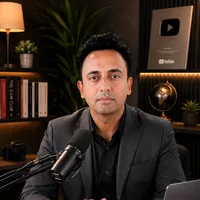
Jitendra Wadhwani
Global Entrepreneur · AI & Tech Expert · Digital Marketing & SEO · International Business Coach
Jitendra Wadhwani is an Indian businessman and global entrepreneur who leads HYRAX COMMUNICATION PVT LTD, a 15 years trusted company, and its ventures DND Teams, Viral In City and A Property Agency. He works as an AI and tech expert, digital marketing, social media and SEO expert, international business coach, trainer and YouTuber, serving clients and audiences across India, the USA, UK, UAE, Europe and worldwide. Everything he writes comes from hands-on work with real businesses, creators and learners.