Key takeaways
- Daily movement matters as much as structured gym sessions.
- Short bodyweight workouts work anywhere — at home, in hotels or between meetings.
- Walking calls and thinking walks improve both fitness and clarity.
- Small, consistent habits build lasting discipline.
- Listening to your body prevents injury and burnout.
Why daily movement matters
The gym is an important part of my routine, but I have learned that the real secret to staying energetic is daily movement. Some days are packed with calls, meetings, travel and content production. On those days, a full gym session may not be possible. A brisk walk, a twenty-minute bodyweight workout or a few minutes of stretching keeps the habit alive and the body active.
Movement also has an immediate effect on thinking. After a short walk or workout, I usually feel more alert, more positive and more creative. That is why I treat exercise not as something separate from work, but as something that improves the quality of my work.
My everyday movement toolkit
| Option | When I use it | Benefit |
|---|---|---|
| Brisk walking | During phone calls or after meals | Light cardio, clearer thinking |
| Bodyweight circuit | At home or in a hotel room | Strength and stamina without equipment |
| Stairs | Whenever practical | Quick leg and heart workout |
| Stretching | Between long work sessions | Reduced stiffness, better posture |
| Skipping or light jogging | When time is short | Efficient cardio |
| Active hobbies | Swimming, golf | Enjoyable movement |
A simple bodyweight workout
Here is the kind of short routine I use when time is limited. Adjust it to your fitness level, and consult a professional if you have health concerns.
- Warm-up (5 minutes): marching on the spot, arm circles, gentle squats.
- Squats — 3 rounds: controlled, comfortable depth.
- Push-ups — 3 rounds: on the floor, knees or against a wall.
- Lunges — 3 rounds: alternate legs, steady balance.
- Plank — 3 rounds: keep the body straight, breathe steadily.
- Glute bridges — 3 rounds: strengthen hips and lower back.
- Cool-down (5 minutes): stretching and slow breathing.
The whole session takes about twenty to thirty minutes and needs no equipment.
How exercise improves productivity
- More energy. Movement increases alertness, especially during afternoon slumps.
- Better mood. Exercise is one of the most reliable ways to lift mood and reduce stress.
- Sharper thinking. Many people, including me, find that ideas flow better after activity.
- Better sleep. Active days usually lead to more restful nights.
- Discipline. Small daily commitments strengthen self-discipline across all areas of life.
Walking meetings and thinking walks
One of my favourite habits is taking calls while walking, when the conversation does not require a screen. Walking keeps me engaged and adds hundreds of steps to the day. I also use "thinking walks" — short walks without the phone — to work through difficult decisions. Movement and fresh air often bring clarity that hours at a desk cannot.
Tips for building an exercise habit
- Start small. Ten minutes a day is a powerful beginning.
- Attach exercise to an existing routine, such as right after waking or before lunch.
- Keep it convenient — home workouts remove travel time.
- Track streaks to stay motivated.
- Mix it up to avoid boredom: walking, strength, mobility and sports.
- Exercise with others sometimes — family or friends add accountability.
- Listen to your body and rest when needed.
Common mistakes to avoid
- Waiting for the "perfect" time or plan before starting.
- Doing too much too soon and getting injured or discouraged.
- Sitting for many hours without breaks.
- Skipping warm-ups.
- Treating exercise as punishment rather than self-care.
Exercise while travelling
Travel is one of the biggest disruptors of routines. I rely on bodyweight circuits in hotel rooms, walking to explore new places and using hotel gyms or pools when available. Even a short session helps reduce travel fatigue and supports better sleep across time zones, which makes travel far more productive.
This page shares personal perspective, not medical advice. Please consult a qualified professional before starting a new exercise routine.
Breaking up long sitting periods
Long hours of sitting are one of the biggest health challenges for modern professionals. I try to break up sitting every hour or so with a short movement: standing for a call, a quick walk to refill water, a few squats or a stretch. These micro-breaks keep circulation flowing, reduce stiffness and help me return to work with better focus. Setting a gentle reminder on a watch or phone can make this habit automatic.
A standing position for some tasks and a comfortable, well-adjusted workstation also help. The goal is not to avoid sitting completely, but to avoid staying still for too long.
Making exercise a family habit
Exercise does not always have to be a solo activity. Walks with family, playing sports with friends or children and weekend outdoor activities add movement while strengthening relationships. These shared activities often become the most enjoyable parts of the week, and they set a healthy example for the next generation.
Progressing safely over time
As fitness improves, workouts should gradually become more challenging: a few more repetitions, slower controlled movements, additional rounds or new exercise variations. Increasing difficulty slowly allows the body to adapt and reduces injury risk. Rest days and good sleep remain essential at every level. For specific goals or health conditions, guidance from a qualified trainer or medical professional is the safest path.
Movement and mood
Beyond physical fitness, regular movement has a powerful effect on mood. On days when work feels heavy, a short walk or workout often changes my perspective. Problems feel more manageable and conversations become more positive. I think of exercise as one of the simplest and most reliable tools for emotional balance, alongside meditation and good health habits.
Frequently asked questions
How much exercise do I need each day?
Health organisations generally recommend regular moderate activity across the week. Even short daily sessions are beneficial; consult a professional for personal guidance.
Can home workouts really work?
Yes. Bodyweight exercises build strength and stamina, especially when done consistently with good form.
What is the best time to exercise?
The best time is the one you can stick to. Mornings suit many busy people because fewer interruptions occur.
How do I stay motivated to exercise?
Set small goals, track progress, vary activities and focus on how much better you feel afterwards.
Is walking enough exercise?
Walking is excellent for health. Adding some strength training improves overall fitness further.
Can short workouts really make a difference?
Yes. Short, consistent sessions improve fitness, mood and energy over time, especially when combined with daily walking.
Should I exercise if I feel tired?
Light movement such as walking often boosts energy, but genuine exhaustion or illness is a sign to rest. Listen to your body and recover when needed.
Do I need equipment for a home workout?
No. Bodyweight exercises are enough to start. Resistance bands or light dumbbells can add variety later.
How do I fit exercise into a packed workday?
Use short bursts: a walk during a call, a ten-minute circuit before lunch or stairs between meetings. Small sessions add up across the day.
Final thought
Movement is a daily gift to your future self. A walk, a quick workout or a few stretches may seem small, but repeated every day, they build the energy and discipline that drive long-term success.
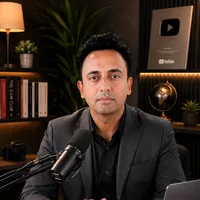
Jitendra Wadhwani
Global Entrepreneur · AI & Tech Expert · Digital Marketing & SEO · International Business Coach
Jitendra Wadhwani is an Indian businessman and global entrepreneur who leads HYRAX COMMUNICATION PVT LTD, a 15 years trusted company, and its ventures DND Teams, Viral In City and A Property Agency. He works as an AI and tech expert, digital marketing, social media and SEO expert, international business coach, trainer and YouTuber, serving clients and audiences across India, the USA, UK, UAE, Europe and worldwide. Everything he writes comes from hands-on work with real businesses, creators and learners.