Key takeaways
- Health is the foundation of long-term business success, not a reward for it.
- Sleep is the most underrated performance tool for leaders.
- Simple, balanced, sustainable nutrition beats extreme diets.
- Daily movement and stress recovery matter as much as gym sessions.
- Regular check-ups and professional advice help catch problems early.
Why health comes first
In my early years as an entrepreneur, like many founders, I sometimes treated health as something to fix later — after the next project, the next launch, the next milestone. Over time I understood that this approach does not work. Health is not a reward for success; it is the foundation that makes success possible and enjoyable.
Leading HYRAX COMMUNICATION and its ventures, creating content and working with clients across time zones requires sustained energy, emotional balance and clear thinking. All three depend on how well I sleep, eat, move and manage stress. So I now treat health as a core business priority, not a personal afterthought.
The pillars of my approach
| Pillar | My focus |
|---|---|
| Sleep | Regular sleep schedule and a calm evening routine |
| Nutrition | Mostly simple, home-style balanced meals and enough water |
| Movement | Regular gym training, walking and exercise |
| Mind | Meditation, breaks and time away from screens |
| Prevention | Regular check-ups and listening to the body's signals |
| Relationships | Time with family and friends who keep me grounded |
Sleep: the most underrated performance tool
I have learned that one bad night can affect an entire day of decisions. I try to keep consistent sleep and wake times, avoid heavy screen use late at night and keep my bedroom dark and quiet. When sleep is good, I am more patient, more creative and more effective.
Nutrition: simple and sustainable
I do not follow extreme diets. My approach is to eat mostly simple, balanced meals — plenty of vegetables, adequate protein, whole grains — and to avoid overeating or relying on processed food during busy days. Staying hydrated is one of the easiest habits to forget and one of the most important to keep.
Movement every day
Movement is not limited to the gym. I try to walk during calls, take stairs and stretch between long work sessions. Small daily movements add up and prevent the stiffness that comes from long hours of sitting.
Managing stress
Pressure is part of business. The goal is not to eliminate stress but to recover from it. Meditation, yoga, swimming and time outdoors help me reset. I also try to plan work realistically so I am not constantly in emergency mode.
Prevention and check-ups
Regular health check-ups help catch problems early. I believe in listening to medical professionals rather than self-diagnosing from the internet, and in taking early warning signs — persistent fatigue, pain or poor sleep — seriously.
How health supports leadership
- Clear decisions. A rested, nourished brain makes better choices.
- Emotional stability. Good health habits help me respond calmly instead of reacting impulsively.
- Creativity. Ideas flow more easily when energy is high.
- Resilience. Healthy leaders recover faster from setbacks.
- Culture. When leaders respect health, teams feel permission to do the same.
Health in a demanding schedule
There are busy seasons when routines slip. Instead of feeling guilty, I focus on the minimum habits that keep me steady: sleep as consistently as possible, drink enough water, move every day and take a few minutes of quiet breathing. When things calm down, I return to my fuller routine. Flexibility prevents an all-or-nothing mindset.
Practical tips for busy professionals
- Schedule health like meetings — exercise, meals and sleep deserve calendar time.
- Keep healthy food accessible at home and work.
- Take movement breaks every hour or so during desk work.
- Limit late-night screens to protect sleep.
- Drink water regularly throughout the day.
- Get regular check-ups and follow professional advice.
- Protect time for relationships and rest, not only work.
- Start small. One improved habit is better than a dramatic plan you abandon.
Common mistakes to avoid
- Sacrificing sleep for extra work hours as a regular habit.
- Skipping meals and then overeating late at night.
- Following extreme diets or trends without guidance.
- Ignoring persistent symptoms.
- Believing health can wait until business is "settled".
Health and the teams I lead
I encourage the people I work with to take breaks, use their leave and look after themselves. Burnt-out teams do not do great work. A culture that respects health builds loyalty, creativity and long-term performance. As a leader, the most powerful way to encourage this is to model it.
This page shares personal perspective, not medical advice. Please consult qualified healthcare professionals for guidance on your own health.
Energy management, not just time management
Most productivity advice focuses on time. I have found that energy matters just as much. Two hours of focused, energetic work produce more than six tired hours. So I try to schedule demanding tasks — strategy, writing, important conversations — for times when my energy is naturally high, and lighter tasks for lower-energy periods. Breaks, movement, hydration and good meals keep energy steadier through the day.
Paying attention to energy also helps me notice warning signs. Persistent fatigue, irritability, poor sleep or loss of motivation are signals that something needs to change: workload, routines or rest. Ignoring those signals for too long is how burnout develops.
Mental health matters too
Health is not only physical. Stress, anxiety and pressure affect entrepreneurs and professionals everywhere. Talking openly with trusted people, taking time off, setting boundaries around work hours and seeking professional support when needed are signs of strength, not weakness. I believe leaders should help reduce stigma around mental health by speaking about it honestly and supporting their teams.
Building habits that stick
Big health transformations rarely last. Small habits do. I find it effective to add one habit at a time — for example, a consistent bedtime, then a daily walk, then better hydration — and to link each new habit to an existing routine. Tracking habits for a few weeks makes progress visible and builds motivation. When a habit slips, I simply restart without guilt.
Frequently asked questions
Why should entrepreneurs prioritise health?
Because energy, focus and resilience — the most important resources for building a business — all depend on health.
What is the simplest health habit to start with?
Improving sleep consistency is often the habit with the biggest positive effect on energy and mood.
Do I need a strict diet to be healthy?
Not necessarily. Balanced, mostly simple meals and sensible portions are sustainable for most people. Seek professional advice for specific needs.
How can I stay healthy while travelling for work?
Prioritise sleep, stay hydrated, walk when possible, choose simple meals and do short workouts in hotel rooms.
How often should I get a health check-up?
Follow your doctor's recommendation based on your age and health history.
How do I avoid burnout as an entrepreneur?
Protect sleep, take regular breaks and time off, set realistic workloads, delegate and seek support early when stress builds up.
Does health really affect business results?
Yes. Energy, concentration, mood and resilience all depend on health, and they directly influence the quality of decisions, relationships and work output over months and years.
Final thought
Health is the quiet partner in every success story. Protect it daily, and it will carry you through the demanding seasons of business and life.
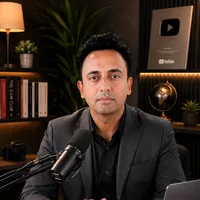
Jitendra Wadhwani
Global Entrepreneur · AI & Tech Expert · Digital Marketing & SEO · International Business Coach
Jitendra Wadhwani is an Indian businessman and global entrepreneur who leads HYRAX COMMUNICATION PVT LTD, a 15 years trusted company, and its ventures DND Teams, Viral In City and A Property Agency. He works as an AI and tech expert, digital marketing, social media and SEO expert, international business coach, trainer and YouTuber, serving clients and audiences across India, the USA, UK, UAE, Europe and worldwide. Everything he writes comes from hands-on work with real businesses, creators and learners.