Key takeaways
- Yoga improves flexibility, posture, balance and breathing.
- Breath control helps calm the mind before important work.
- Yoga teaches patience, non-judgement and steady progress.
- Beginners should learn from qualified teachers and never force a stretch.
- Short, regular sessions fit easily into busy and travel-heavy schedules.
Why yoga is part of my life
Yoga is one of India's greatest gifts to the world, and I am grateful to have it as part of my routine. Long hours at a desk, frequent travel and the physical demands of strength training can leave the body stiff and the mind restless. Yoga addresses both. It stretches and strengthens muscles, improves posture, deepens breathing and settles the mind in a way few other practices can.
For me, yoga is not about performing difficult poses. It is about awareness: noticing how the body feels, where tension is held, how the breath moves and how the mind responds to effort and stillness.
What yoga gives me
| Area | Benefit |
|---|---|
| Body | Flexibility, mobility, posture and balance |
| Breath | Deeper, calmer breathing that supports focus and speaking |
| Mind | Reduced restlessness and improved concentration |
| Recovery | Gentle movement on rest days after intense training |
| Resilience | Patience to hold discomfort calmly |
| Awareness | Early recognition of stress and fatigue |
Posture and the modern workday
Many professionals spend hours hunched over laptops and phones. Over time, that posture creates stiffness in the neck, shoulders and back. Simple yoga stretches and strengthening poses help counter those effects and keep me comfortable during long working days and on camera.
Breath as a tool
Pranayama, or breath control, is one of the most useful parts of yoga for me. Slow, controlled breathing calms the nervous system before important meetings, presentations or video recordings. It also supports my meditation practice.
Lessons from the mat for business
- Balance. Balancing poses teach focus and small corrections — just like managing a business through changing conditions.
- Patience. Flexibility improves slowly, with regular practice. So do skills, teams and brands.
- Non-judgement. Every day on the mat is different. Accepting where you are today is the first step to improving.
- Breath under pressure. Holding a challenging pose while breathing steadily mirrors staying calm during difficult business moments.
- Consistency. A little practice regularly beats occasional long sessions.
My approach to practice
I keep my practice practical and adaptable:
- Short morning sessions to wake the body and set a calm tone.
- Gentle stretching after workouts at the gym or after swimming.
- Breathing exercises before demanding work.
- Relaxation at the end of practice to let the body and mind absorb the benefits.
- Learning from qualified teachers to keep technique safe.
Beginner-friendly poses to explore
With guidance from a qualified teacher, beginners often start with simple poses such as:
- Mountain pose (Tadasana) — posture and grounding.
- Cat–cow stretch — gentle spine mobility.
- Child's pose (Balasana) — rest and relaxation.
- Downward-facing dog (Adho Mukha Svanasana) — full-body stretch.
- Cobra pose (Bhujangasana) — back strength and chest opening.
- Tree pose (Vrikshasana) — balance and focus.
- Corpse pose (Shavasana) — deep relaxation at the end.
Move slowly, never force a stretch and stop if you feel pain.
Tips for beginners
- Learn from a qualified instructor, in person or through a reputable online class.
- Start with short sessions of fifteen to twenty minutes.
- Focus on breathing as much as on poses.
- Use props such as blocks or straps to make poses accessible.
- Practise on an empty or light stomach.
- Respect your limits — flexibility comes with time.
- Be consistent — a few times a week is better than once a month.
Common mistakes to avoid
- Forcing deep stretches and risking injury.
- Comparing yourself with advanced practitioners on social media.
- Holding the breath during poses.
- Skipping relaxation at the end.
- Practising complex poses without guidance.
Yoga in a busy schedule
Yoga is easy to fit into busy days because it needs little space and no equipment beyond a mat. A ten-minute morning sequence, a few stretches between work sessions or a calming routine before bed all make a difference. When travelling, I find yoga one of the simplest ways to stay grounded in a hotel room.
This page shares personal perspective, not medical advice. Please consult a doctor before starting yoga if you have health conditions, and learn from qualified teachers.
Yoga as a reset during the workday
Some of my most useful yoga moments are not full sessions at all. Between long periods of work, a few minutes of simple stretches — neck rolls, shoulder openers, a gentle forward fold and a few deep breaths — release tension and refresh focus. These micro-sessions are especially helpful on days filled with calls and screen time. They take almost no time but noticeably improve how I feel for the rest of the afternoon.
I encourage teams to do the same. A short stretch break during long workshops or meetings brings energy back into the room and helps people concentrate again.
Combining yoga with other training
Yoga fits naturally alongside other activities. After strength sessions at the gym, gentle stretching helps the muscles recover and maintains mobility. Before swimming, a few dynamic movements prepare the shoulders and hips. On rest days, a slower practice keeps the body moving without adding strain. Together, these practices create a more balanced approach to fitness than any single activity could on its own.
The deeper side of yoga
Beyond the physical benefits, yoga encourages values such as self-discipline, contentment, non-harm and self-study. I find those principles relevant to leadership: discipline in daily habits, gratitude for progress, kindness in how we treat people and honest reflection on our own behaviour. Practising yoga is a gentle daily reminder of the kind of person and leader I want to be.
Frequently asked questions
Is yoga good for beginners with no flexibility?
Yes. Yoga is a way to build flexibility, not a requirement to start. Begin gently and progress gradually.
How often should I practise yoga?
Even two or three short sessions a week can improve flexibility, posture and calm over time.
Can yoga replace the gym?
Yoga builds flexibility, balance and some strength. Many people combine yoga with strength and cardio training for overall fitness.
What is the best time for yoga?
Morning practice energises the day, while gentle evening practice helps relaxation. Choose what fits your routine.
Do I need a teacher?
A qualified teacher is strongly recommended at the beginning to learn safe alignment and technique.
Can yoga help with back stiffness from desk work?
Many people find gentle stretches and strengthening poses helpful, but please consult a doctor or physiotherapist for persistent pain.
Is yoga suitable for men and busy professionals?
Absolutely. Yoga benefits people of all backgrounds and fitness levels, and short sessions fit easily into demanding schedules.
Should yoga be done daily?
Daily gentle practice is beneficial for many people, but even a few sessions per week bring noticeable improvements in flexibility and calm.
What equipment do I need for yoga?
A non-slip mat and comfortable clothing are enough. Blocks and straps are optional props that make some poses easier for beginners.
Final thought
Yoga reminds me that strength and softness work best together. A flexible body, a steady breath and a calm mind create the balance every leader needs.
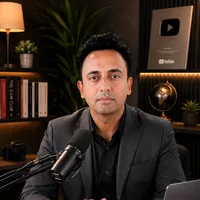
Jitendra Wadhwani
Global Entrepreneur · AI & Tech Expert · Digital Marketing & SEO · International Business Coach
Jitendra Wadhwani is an Indian businessman and global entrepreneur who leads HYRAX COMMUNICATION PVT LTD, a 15 years trusted company, and its ventures DND Teams, Viral In City and A Property Agency. He works as an AI and tech expert, digital marketing, social media and SEO expert, international business coach, trainer and YouTuber, serving clients and audiences across India, the USA, UK, UAE, Europe and worldwide. Everything he writes comes from hands-on work with real businesses, creators and learners.