Key takeaways
- Swimming is a full-body, low-impact exercise that builds stamina and heart health.
- The water offers a rare break from screens and notifications.
- Efficient technique and calm breathing matter more than force.
- Learning from qualified instructors and swimming where lifeguards are present keeps it safe.
- Swimming works well as active recovery alongside strength training.
Why I love swimming
Swimming is one of the most complete forms of exercise I know. It works the whole body, it is gentle on the joints and it builds stamina steadily. But the biggest reason I value swimming is what it does for the mind. Once you are in the water, your phone is out of reach. You cannot reply to messages or check analytics. Your attention naturally comes back to your breathing and the rhythm of each stroke.
For an entrepreneur whose day is filled with screens and decisions, that enforced disconnection is valuable. I often finish a swim feeling as if someone has cleared the clutter from my head.
Swimming as moving meditation
Swimming has a meditative quality. The repetition of stroke, breath, stroke, breath creates a rhythm that calms the nervous system. It is similar to the focus I practise in meditation: attention on the breath, letting thoughts pass, returning to the present moment. Many of my clearest ideas have arrived not while staring at a screen, but during or right after a calm swim.
What swimming teaches about business
| In the water | In business |
|---|---|
| Efficient technique beats wasted effort | Smart systems beat simply working harder |
| Breathing rhythm controls stamina | Pacing yourself prevents burnout |
| Panic makes everything harder | Calm thinking solves problems faster |
| Progress comes lap by lap | Growth comes from consistent small steps |
| Respect the water | Respect risks and plan for safety |
Efficiency over force
Beginners often thrash in the water, using a lot of energy and moving slowly. Good swimmers glide. They reduce resistance, keep a streamlined position and move with purpose. In business I try to apply the same idea: remove friction, simplify processes and focus effort where it matters most.
Pacing and breathing
In swimming, if you go out too fast, you run out of breath. Sustainable speed comes from controlled breathing and steady pacing. Leadership works the same way. A business is a long journey, and the leader who manages energy wisely lasts longer and decides better.
Calm under pressure
Panic in water is dangerous. Calm, controlled movement keeps you safe. Learning to stay composed in the pool has helped me stay composed when work becomes stressful — an unexpected problem is easier to solve when you breathe first and act second.
How I approach swimming
I keep my swimming relaxed and consistent rather than competitive:
- Warm up gently with easy laps or simple drills.
- Focus on technique — body position, breathing and smooth strokes.
- Mix intensity, with mostly comfortable swimming and occasional faster intervals.
- Use swimming for recovery after strength days at the gym.
- Stretch afterwards, sometimes with simple yoga movements.
Benefits I value most
- Full-body fitness without heavy impact on joints.
- Cardiovascular endurance that supports long working days.
- Better breathing control, useful for public speaking and on-camera work.
- Stress relief and mental clarity.
- A digital break from screens and constant connectivity.
- Improved sleep after active days.
Tips for beginners
If you want to start swimming, safety should always come first:
- Learn from a qualified instructor. Proper lessons build confidence and safety.
- Swim only where lifeguards are present, especially while learning.
- Start in shallow water and progress gradually.
- Practise breathing — exhale underwater, inhale smoothly when turning your head.
- Use simple aids such as a kickboard to learn technique.
- Keep sessions short at first and build stamina slowly.
- Hydrate. You still sweat in the pool, even if you do not notice it.
- Never swim alone in open water and respect local safety guidance.
Common mistakes to avoid
- Holding your breath instead of exhaling steadily underwater.
- Lifting the head too high, which makes the legs sink.
- Trying to swim fast before learning technique.
- Skipping warm-up and stretching.
- Overestimating ability in open water.
Fitting swimming into a busy life
I find early mornings work well for swimming, before the day's calls begin. Even thirty minutes is enough for a refreshing session. When travelling, a hotel pool can turn a tiring trip into a more balanced one. The key is to treat swimming as part of a weekly rhythm rather than an occasional activity.
Swimming and long-term health
Swimming is an activity people can enjoy at almost any age. It complements strength training, supports heart and lung health and offers a low-impact option on days when the body needs gentler movement. Along with good health habits, it is one of the simplest ways I know to invest in long-term wellbeing.
This page shares personal perspective, not medical or safety-certification advice. Learn from qualified instructors and consult a doctor if you have health concerns.
Building technique step by step
Good swimming is built on a few fundamentals. First comes body position: a long, horizontal body reduces drag. Then breathing: exhaling steadily underwater and turning the head smoothly to inhale, rather than lifting it. Next is the kick, which should be relaxed and continuous rather than forceful. Finally, the arm stroke, reaching forward and pulling the water back efficiently. I find it helpful to focus on one element per session instead of trying to fix everything at once.
Drills are useful for this. Kicking with a board isolates the legs, while slow, deliberate strokes help coordinate breathing. A qualified coach can observe your technique and give specific feedback that is hard to notice yourself.
Swimming and focus at work
There is a direct link between the calm I feel after swimming and the quality of my work afterwards. Planning sessions, writing and strategic thinking all feel easier after a swim. I sometimes schedule demanding creative work for the hours following a morning swim because my mind is fresh, my body is relaxed and distractions feel less tempting. The water resets my attention in a way that few other activities do.
Frequently asked questions
Is swimming good for overall fitness?
Yes. Swimming works the whole body, builds endurance and is low-impact, making it suitable for many fitness levels.
Can adults learn to swim?
Absolutely. Many adults learn with qualified instructors. Patience, regular practice and safe environments are key.
How often should I swim to see benefits?
Two or three sessions a week can improve fitness and wellbeing over time.
Is swimming good for stress relief?
Many people find the rhythm, breathing and lack of screens deeply calming.
Should I swim before or after the gym?
Either works. Easy swimming after strength training can feel like active recovery.
What should I wear and bring for swimming?
Comfortable swimwear, goggles, a swim cap where required, a towel and water. Follow the pool's hygiene and safety rules.
Is swimming better than running?
Both are excellent. Swimming is gentler on the joints and works the whole body, while running is convenient and builds bone strength. Many people enjoy combining them.
Final thought
Swimming teaches me to move with rhythm instead of resistance. In the water and in business, calm breathing, efficient effort and steady progress carry you much further than panic and force.
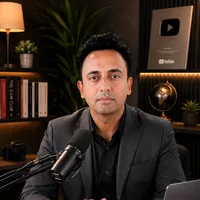
Jitendra Wadhwani
Global Entrepreneur · AI & Tech Expert · Digital Marketing & SEO · International Business Coach
Jitendra Wadhwani is an Indian businessman and global entrepreneur who leads HYRAX COMMUNICATION PVT LTD, a 15 years trusted company, and its ventures DND Teams, Viral In City and A Property Agency. He works as an AI and tech expert, digital marketing, social media and SEO expert, international business coach, trainer and YouTuber, serving clients and audiences across India, the USA, UK, UAE, Europe and worldwide. Everything he writes comes from hands-on work with real businesses, creators and learners.